
Introduction
In pediatric allergy research, recurrent infections in allergic children are not always caused solely by direct exposure to contagious microorganisms transmitted from infected individuals. Clinical evidence suggests that non-living environmental triggers, including allergens and irritants, can also initiate infectious episodes. Allergic reactions may activate latent microorganisms already present within the body, converting dormant infections into active disease states. This process has been described as the “jolt mechanism”, where environmental or dietary allergens disturb host immunity and promote microbial activation.
Respiratory infections are especially common in allergic children. Exposure to allergens such as house dust, food proteins like cow’s milk, molds, pollens, or chemical irritants may provoke symptoms clinically identical to infectious bronchitis, rhinitis, or pneumonia. In many cases, these episodes resemble infections acquired through person-to-person microbial transmission, despite originating from exposure to non-viable agents.
Long-term clinical observations indicate that allergic children frequently experience recurrent infectious disorders because allergy reduces resistance to infection and increases susceptibility to microbial activation. Repeated inflammatory insults create chronic vulnerability, making these children more prone to persistent respiratory and systemic infections.
The Infection-Prone Allergic Child
Children suffering from chronic or recurrent infections have long represented a challenge in pediatric medicine. Traditional explanations such as nutritional deficiency, anemia, hyperglycemia, immune deficiency, or poor hygiene often fail to explain why certain children repeatedly develop infections.
Studies on allergic pediatric populations demonstrated that many of these children possess normal immunoglobulin levels and show limited improvement following vaccination strategies or isolation from infected individuals. These findings suggest that environmental allergens may play a more significant role in recurrent infection than previously recognized.
Sensitized children appear highly vulnerable to infectious disease because allergens disrupt host defenses and stimulate latent microbial activity. This hypersensitivity-associated activation mechanism explains why recurrent infections remain common despite standard preventive measures.
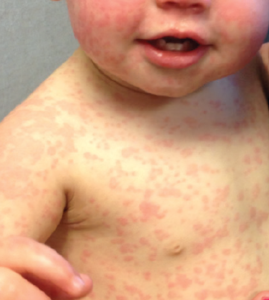
The Jolt Mechanism and Microbial Activation
The jolt mechanism describes how allergens and other non-infectious triggers destabilize host-microbe balance and activate latent microorganisms. Allergic reactions may reduce tissue resistance, alter local immunity, or create inflammatory conditions favorable for microbial growth and invasion.
A harmless environmental substance can therefore trigger severe illness by indirectly stimulating bacterial, viral, or fungal activity already present within the body. In this model, infection is not determined solely by exposure to microbes, but also by the host’s allergic and immunological state.
This concept challenges the traditional view that infectious diseases and allergic disorders are completely separate conditions. In allergic children, recurrent infections may reflect an interaction between hypersensitivity reactions and latent microbial activation rather than direct microbial exposure alone.
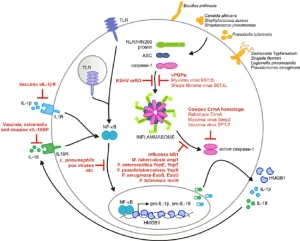
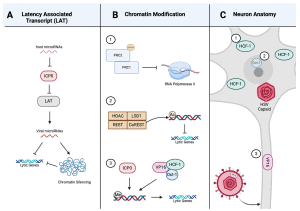
Viral Latency and Allergy-Triggered Disease
Viral latency represents a well-known phenomenon in infectious disease biology. Many viruses can remain dormant in tissues for prolonged periods without producing symptoms. Environmental or physiological stressors may later reactivate these latent viruses and trigger clinical disease.
A classic example is herpes simplex virus (HSV) infection. Recurrent herpes outbreaks can be induced by numerous non-viable triggers including:
- Food allergens
- Medications
- Hormonal fluctuations
- Emotional stress
- Fever
- Mechanical irritation
- Environmental allergens
These observations support the idea that allergic and inflammatory disturbances can reactivate latent viral infections. Similar mechanisms may contribute to recurrent respiratory infections in allergic children.
Determinant Causes of Recurrent Infection
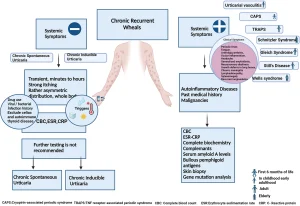
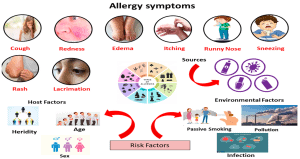
In allergic pediatric patients, recurrent infections often result from a combination of interacting factors rather than microbial exposure alone. Important contributing elements include:
1. Allergic Predisposition
Children with inherited allergic tendencies exhibit increased immune hypersensitivity and altered inflammatory responses.
2. Sensitized Shock Organs
Specific tissues such as the respiratory tract, skin, urinary tract, or gastrointestinal system may become highly reactive and repeatedly affected.
3. Environmental and Dietary Triggers
Exposure to allergens, pollutants, climate changes, psychological stress, chemicals, or foods may precipitate disease episodes.
4. Latent or Opportunistic Microorganisms
Dormant bacteria, viruses, or fungi can become activated during allergic inflammatory responses.
The interaction between these components contributes to chronic or recurrent illness patterns commonly observed in allergic children.
Clinical Characteristics of Infection in Allergic Children
The infectious episodes observed in allergic children closely resemble classical microbial diseases and often include:
- Fever
- Malaise and fatigue
- Chills
- Sore throat
- Purulent nasal discharge
- Bronchitis
- Pneumonia
- Otitis media
- Cervical lymphadenitis
- Persistent cough
- Mucosal inflammation
These infections frequently follow a typical infectious disease course, including sudden onset, systemic symptoms, acute inflammatory signs, and response to antimicrobial therapy.
Importantly, many episodes are contagious and can spread to siblings, parents, or classmates, supporting the involvement of active microorganisms.
Laboratory Evidence Supporting Infectious Etiology
Several laboratory findings support the infectious nature of these disorders:
Nasopharyngeal Smears
Secretions often contain:
- Large numbers of neutrophils
- Bacterial colonies
- Absence of eosinophils during acute infection
Blood Analysis
Patients commonly demonstrate:
- Elevated white blood cell counts
- Neutrophilia
- Increased inflammatory markers

Acute Phase Reactions
Positive findings frequently include:
- Elevated erythrocyte sedimentation rate (ESR)
- Positive C-reactive protein (CRP)
Microbiological Cultures
Cultures frequently identify pathogenic organisms such as:
- Streptococcus species
- Staphylococcus aureus
- Pneumococcus
- Haemophilus influenzae
These findings confirm that the clinical episodes are true infections rather than isolated allergic reactions.
Distinguishing Infection from Classical Allergy
Although allergy contributes to disease susceptibility, these infectious episodes differ from classical allergic reactions. Typical allergic manifestations are often absent, including:
- Wheezing
- Itching
- Paroxysmal sneezing
- Watery secretions
- Pale edematous mucosa
- Eosinophilic infiltration
Instead, patients display signs more consistent with active infection, such as purulent secretions, fever, neutrophilia, and microbial growth in cultures.
Relationship Between Allergy and Chronic Respiratory Disease
Research suggests that many recurrent respiratory conditions in allergic children may involve combined allergic and infectious mechanisms. Disorders frequently observed include:
- Recurrent rhinitis
- Tonsillitis
- Sinusitis
- Bronchitis
- Pneumonia
- Laryngitis
- Tracheitis
- Otitis media
Some environmental antigen-associated diseases such as farmer’s lung, pigeon breeder’s lung, bagassosis, and mushroom worker’s disease further support the link between inhaled antigens and inflammatory pulmonary disease.
Clinical Implications
Recognition of the interaction between allergy and infection has important implications for pediatric healthcare. Physicians managing recurrent infections in children should evaluate:
- Allergic history
- Environmental exposures
- Dietary triggers
- Respiratory hypersensitivity
- Latent microbial activation
Successful management may require combined strategies targeting both infection control and allergen avoidance.
Conclusion
Allergic reactions can significantly influence the development, persistence, and recurrence of infectious diseases in children. Environmental allergens and non-infectious triggers may activate latent microorganisms through the jolt mechanism, leading to clinically significant bacterial or viral infections.
Recurrent infections in allergic children therefore result from a complex interaction between hypersensitivity, immune dysregulation, environmental exposure, and microbial activity. Understanding this relationship may improve diagnosis, prevention, and therapeutic strategies for chronic pediatric infectious disorders.